What Is a Mini Split Air Conditioner? A Complete Guide for Homeowners
HVAC GUIDE · REFRIA
What Is a Mini Split Air Conditioner? A Complete Guide for Homeowners
If you have ever walked into a room that felt perfectly cooled while the rest of the house stayed warm, you may have encountered a mini split air conditioner. These systems have become one of the most talked-about options in home comfort—and for good reason.
A mini split air conditioner is a ductless heating and cooling system that delivers conditioned air directly into individual rooms or zones. Instead of relying on a network of ducts hidden behind walls, a mini split uses an outdoor compressor connected to one or more indoor air-handling units through a small conduit. That conduit carries refrigerant tubing, power wiring, and a condensate drain line—all through a hole roughly three inches in diameter.
What Is a Mini Split? The Short Answer
At its core, what is a mini split comes down to two words: ductless and zoned. A traditional central air conditioner cools the entire home through one large indoor unit and a maze of ductwork. A mini split air conditioner takes a different approach—it installs a compact air handler right in the room it serves, blowing cool or warm air directly into the space without any ducts at all.
Because there are no ducts, there is also no duct energy loss. Ducts can lose up to 30% of the air they carry through leaks, poor insulation, or long runs through unconditioned attics and crawl spaces. A mini split eliminates that loss entirely.
Quick Snapshot
A mini split air conditioner pairs one outdoor compressor with one or more indoor air handlers. No ducts. Room-by-room control. Quiet operation. High efficiency.
Get Mini Split Pricing → Email Refria
We respond within one business day
How Does a Mini Split Air Conditioner Work?
The cooling cycle inside a mini split works on the same refrigeration principle as a conventional air conditioner. The difference is where the conditioned air goes.
Here is the sequence in cooling mode:
01. The indoor air handler's evaporator coil absorbs heat and humidity from the room air.
02. Refrigerant carries that heat through the line set to the outdoor compressor.
03. The outdoor unit releases the heat into the outside air.
04. Cooled refrigerant cycles back indoors, and the air handler blows cool air directly into the room.
In heating mode, the process reverses. The outdoor unit extracts heat from the outside air—even when temperatures drop—and transfers it indoors through the same refrigerant loop. This makes a mini split heat pump a true year-round comfort solution.
Most modern mini splits use inverter-driven compressors. Instead of turning on and off at full power like older systems, an inverter compressor continuously adjusts its speed to match the exact heating or cooling demand. The result is steadier temperatures, quieter operation, and meaningfully lower energy consumption.
Single-Zone vs. Multi-Zone Mini Split Systems
Not every home needs the same configuration. Mini splits come in two primary layouts, and understanding the difference helps you plan for your space.
Single-Zone
One outdoor unit connected to one indoor air handler. Ideal for a garage, a sunroom, a home office, or a single room addition where you need precise temperature control without touching the rest of the house.
Multi-Zone
A single outdoor compressor connected to up to five indoor units. Each indoor unit has its own thermostat, so different rooms can be set to different temperatures at the same time.
Indoor units also come in several styles. Wall-mounted units are the most common. Floor consoles work well in rooms with low ceilings or slanted walls. Ceiling cassettes mount flush into the ceiling for a clean look. In-ceiling units can be hidden entirely if there is enough space above.
Mini Split vs. Central Air: Key Differences
Both systems heat and cool your home. The core difference is how the conditioned air reaches the room.
Feature
Mini Split
Central Air
Ductwork
None required
Required throughout the home
Zoning
Room-by-room control
Whole-home, one setting
Energy loss
Minimal (no ducts)
Up to 30% through ducts
Installation
Small wall hole, less invasive
Duct construction required
Best for
Homes without ducts, additions, zoned comfort
Larger homes with existing ducts
Chat With Us on WhatsApp → Ask About Mini Splits
Equipment, parts, and system design support
Why Mini Splits Are More Efficient Than You Might Expect
A mini split air conditioner often carries a higher SEER2 rating than a comparable central air system. SEER2 stands for Seasonal Energy Efficiency Ratio 2, and it measures how efficiently a system cools over an entire season. Higher numbers mean less energy used for the same amount of cooling.
Two factors drive that efficiency advantage. First, no ducts means no duct loss. Second, inverter technology lets the compressor run at the exact speed needed instead of cycling between full blast and off.
Efficiency in real numbers
· Mini split heat pumps can use up to 60% less energy than standard electric resistance heating.
· Mini splits can cut heating costs in half compared to conventional electric baseboard or wall heating.
For homes in mild to moderate climates, a mini split can serve as a primary heating and cooling system. In colder regions, a cold-climate mini split heat pump can continue running efficiently well below freezing.
What Does a Mini Split Air Conditioner Cost?
Mini split installation cost typically ranges from $2,500 to $15,000 or more, depending on the number of zones, system efficiency, and installation complexity.
The main cost factors are:
· Number of zones (indoor units)
· System capacity in BTUs
· SEER2 efficiency level
· Local labor rates and home configuration
Because there are no ducts to build, the installation itself is less invasive than a full central system. A single-zone setup often takes less than a day. And because the system runs more efficiently long-term, the upfront cost is frequently offset by lower monthly energy bills.
Who Is a Mini Split Air Conditioner Best For?
A mini split air conditioner works well in more situations than people often assume. Here are several common use cases:
Older homes without ducts
Homes heated by radiators or baseboard that never had central air can add cooling without a major renovation.
Room additions and sunrooms
Extending ductwork to a new space is often impractical or expensive. A mini split solves that cleanly.
Garages, workshops, and outbuildings
A single-zone mini split brings heating and cooling to spaces detached from the main home.
Homes with hot and cold spots
Rooms that never get comfortable with central air—like a guest room above a garage—benefit from a dedicated zone.
If your home already has well-sealed ductwork and you are happy with whole-house temperature uniformity, central air may still be the simpler choice. But if you value room-by-room control, quiet operation, and installation flexibility, a mini split air conditioner is hard to beat.
Basic Maintenance That Keeps a Mini Split Running Strong
A mini split does not require much, but a few simple habits go a long way:
· Clean or replace indoor air filters every 30–60 days. More often if you have pets or allergies.
· Keep the outdoor unit clear of leaves, dirt, and debris.
· Inspect the condensate drain line for clogs.
· Schedule a professional check-up once a year to verify refrigerant levels and coil condition.
With routine care, a mini split system can last 15 to 20 years, which is significantly longer than a typical window unit.
Ready to Choose the Right Mini Split for Your Space?
Refria supplies mini split air conditioners, accessories, and system components. Whether you are an installer sourcing equipment or a homeowner planning a project, we can help you match the right system to your needs.
Release time: 2026-10-08
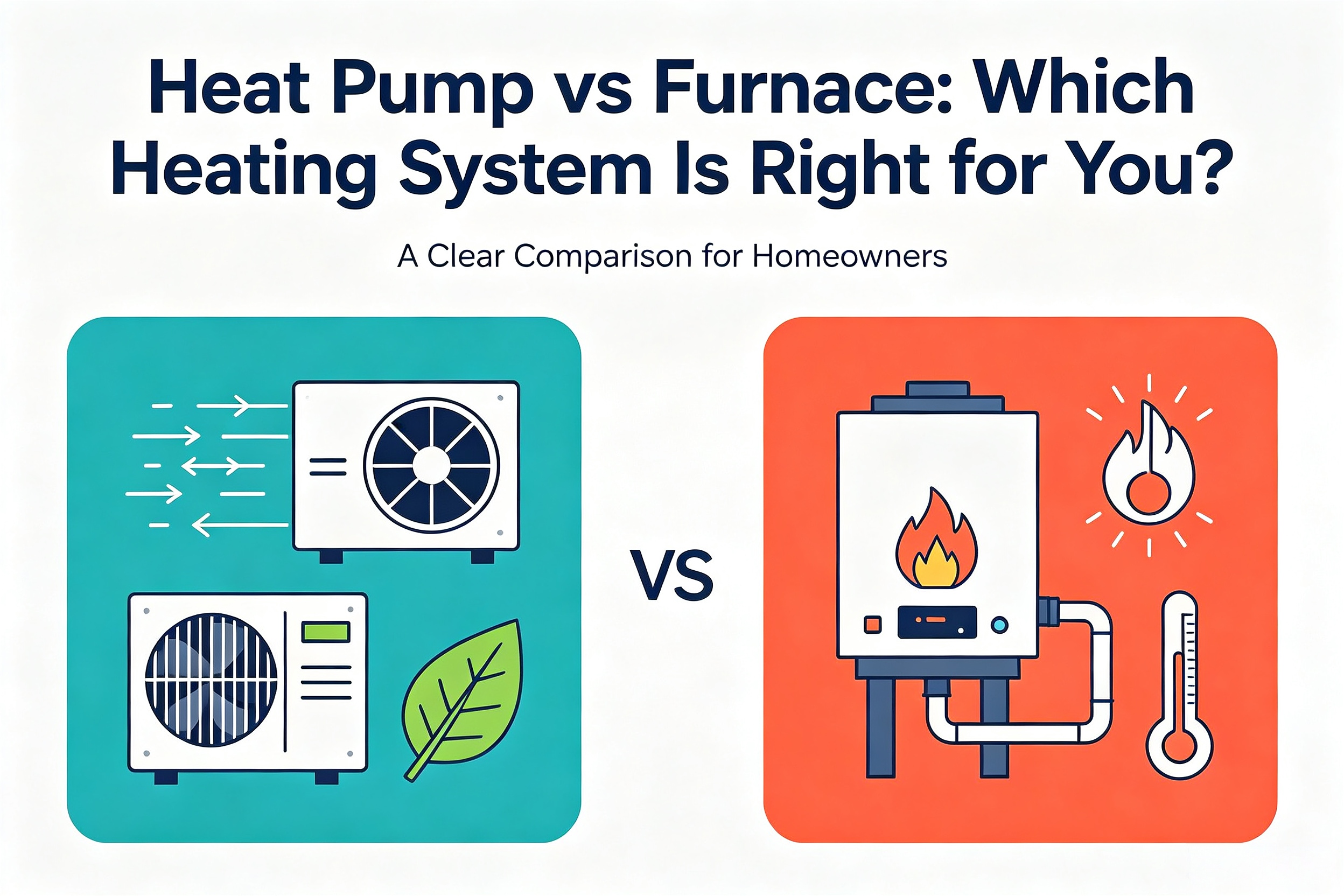
Heat Pump vs Furnace: Which Heating System Is Right for You?
Related blog