HVAC Replacement Cost in 2026: What Homeowners Actually Pay
What HVAC Replacement Cost Looks Like in 2026
Across the United States, a full system changeout for a single-family home commonly lands between $5,000 and $22,000, with many homeowners paying around $8,000 to $12,000 for a standard furnace-and-AC replacement. A straightforward equipment-only swap sits near the low end. High-efficiency systems, difficult access, new line sets, or electrical upgrades push the project toward the top of the range or beyond.
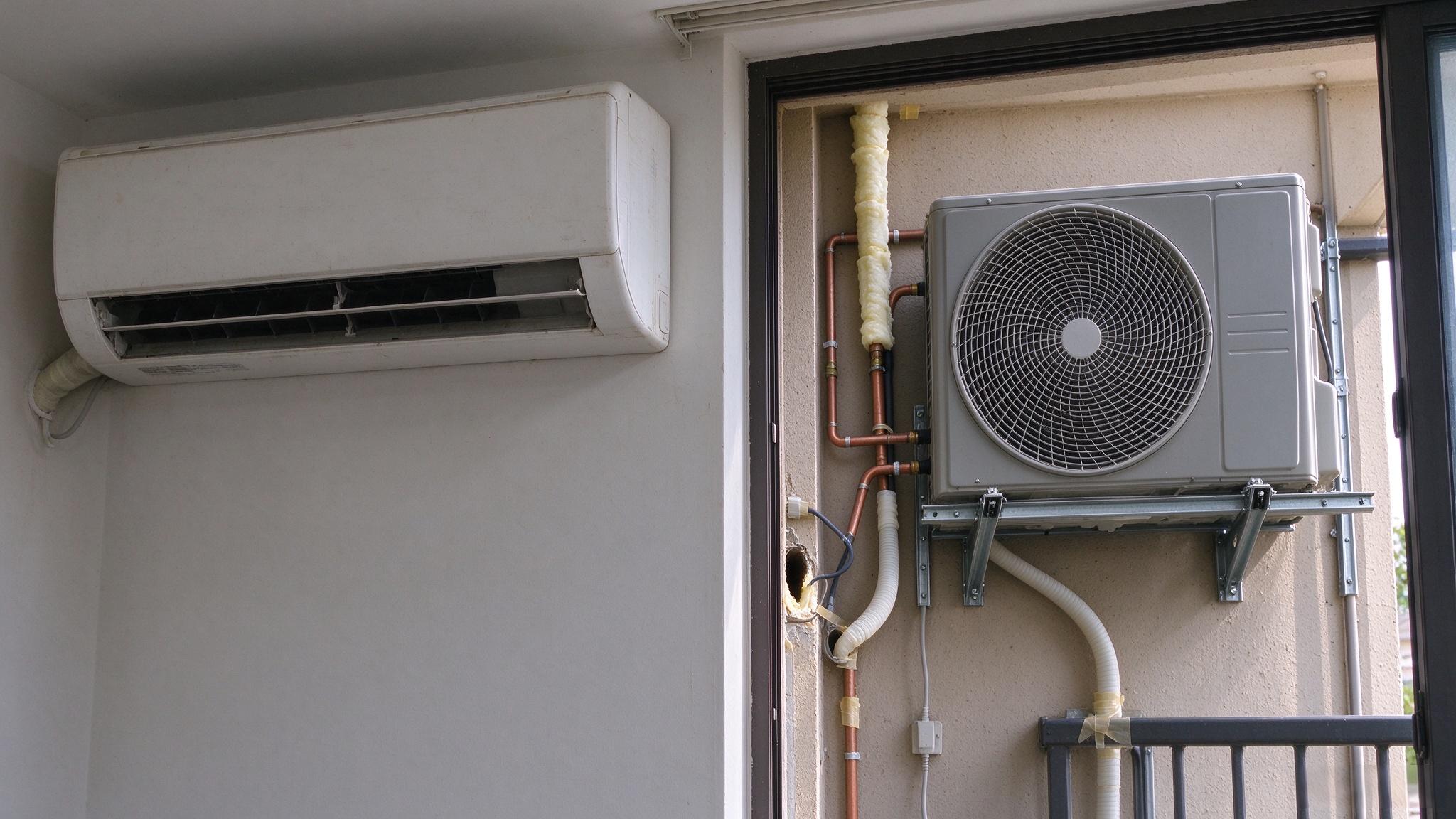
It helps to separate the quote into three buckets: equipment, hvac installation cost, and home-specific work. Equipment is usually 50%–60% of the total bill. A legitimate installation line should include labor, refrigerant charge, permit, old-unit disposal, and commissioning. If a quote is missing those items, the number is probably incomplete.
New HVAC System Cost by System Type
The type of system you choose changes the new hvac system cost more than almost any other single decision. Below are typical installed ranges for common residential projects, based on 2026 contractor data.
| System Type | Typical Installed Range | Notes |
|---|---|---|
| Central AC (split system) | $3,800 – $7,500 | Cooling only; existing ductwork assumed |
| Gas furnace | $2,500 – $6,000 | Heating only; efficiency and brand move the number |
| Heat pump (full system) | $4,500 – $9,500 | Heating and cooling in one unit |
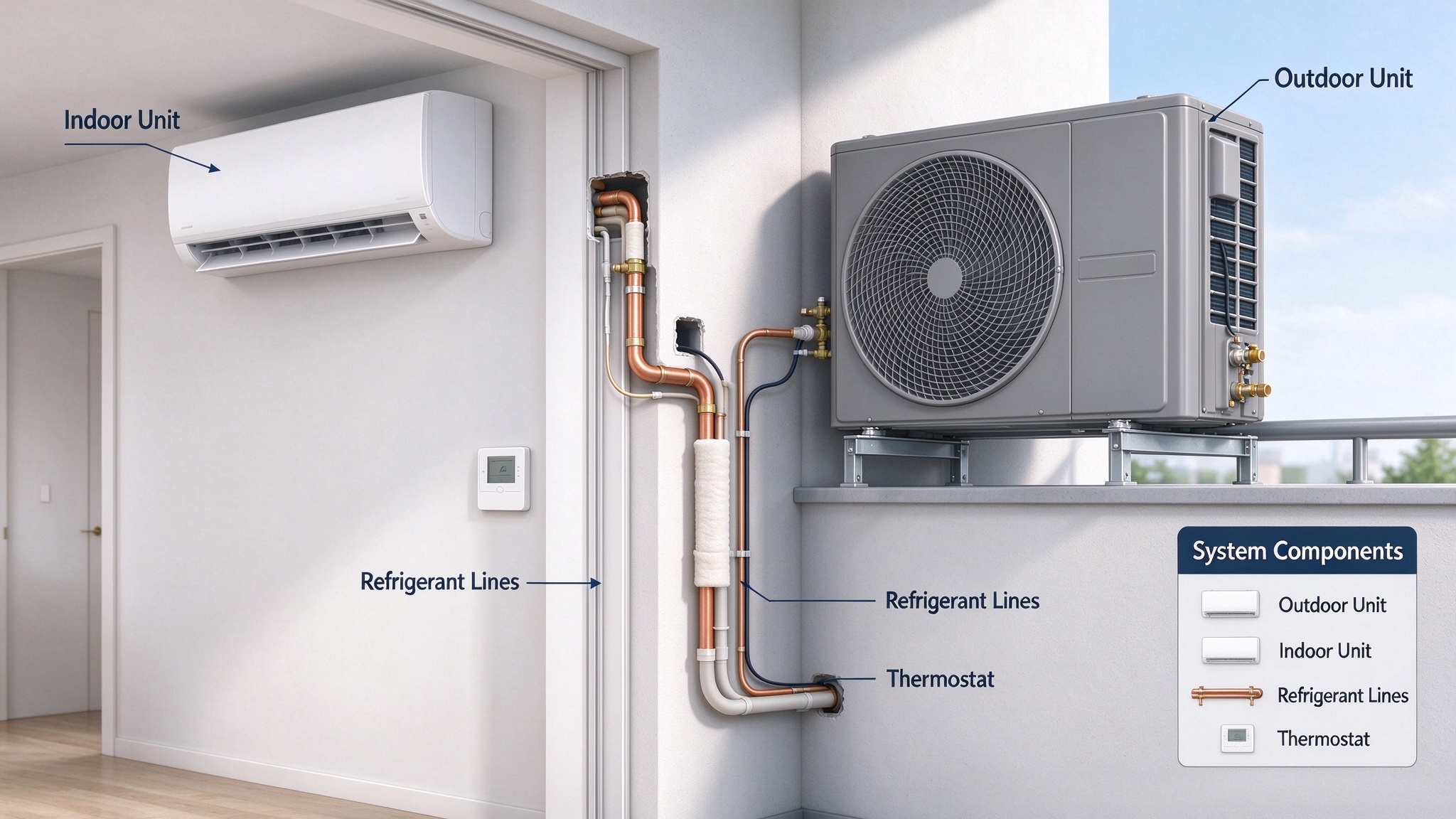
| Ductless mini-split (single zone) | $1,500 – $4,500 | No ductwork; good for additions and rooms |
| Central AC + gas furnace | $9,000 – $18,000 | Most common full-system replacement |
Ranges reflect standard installation labor, refrigerant, and old-equipment disposal. Electrical upgrades, duct modifications, and permit fees can add $500–$1,500 or more.
What Drives HVAC Installation Cost Up or Down
Two homes can replace the same size system and receive quotes that differ by several thousand dollars. The gap almost always comes down to installation conditions. Here are the factors Refria sees most often when reviewing estimates with homeowners.
1. Energy Efficiency and Refrigerant Transition
Higher SEER2 and HSPF2 ratings usually mean a higher equipment price, but lower monthly energy use. In 2026, the shift toward A2L refrigerants such as R-454B is also affecting equipment cost on some product lines. A mid-efficiency system is often the practical balance for homeowners who plan to stay in the home long enough to recover the difference.
2. Correct Sizing and Load Calculation
Bigger is not better. An oversized unit short-cycles, wastes energy, and wears out faster; an undersized unit never keeps up. A proper load calculation based on square footage, insulation, windows, and local climate protects the investment. Expect a serious installer to measure before recommending tonnage.
3. Ductwork and Line Set Condition
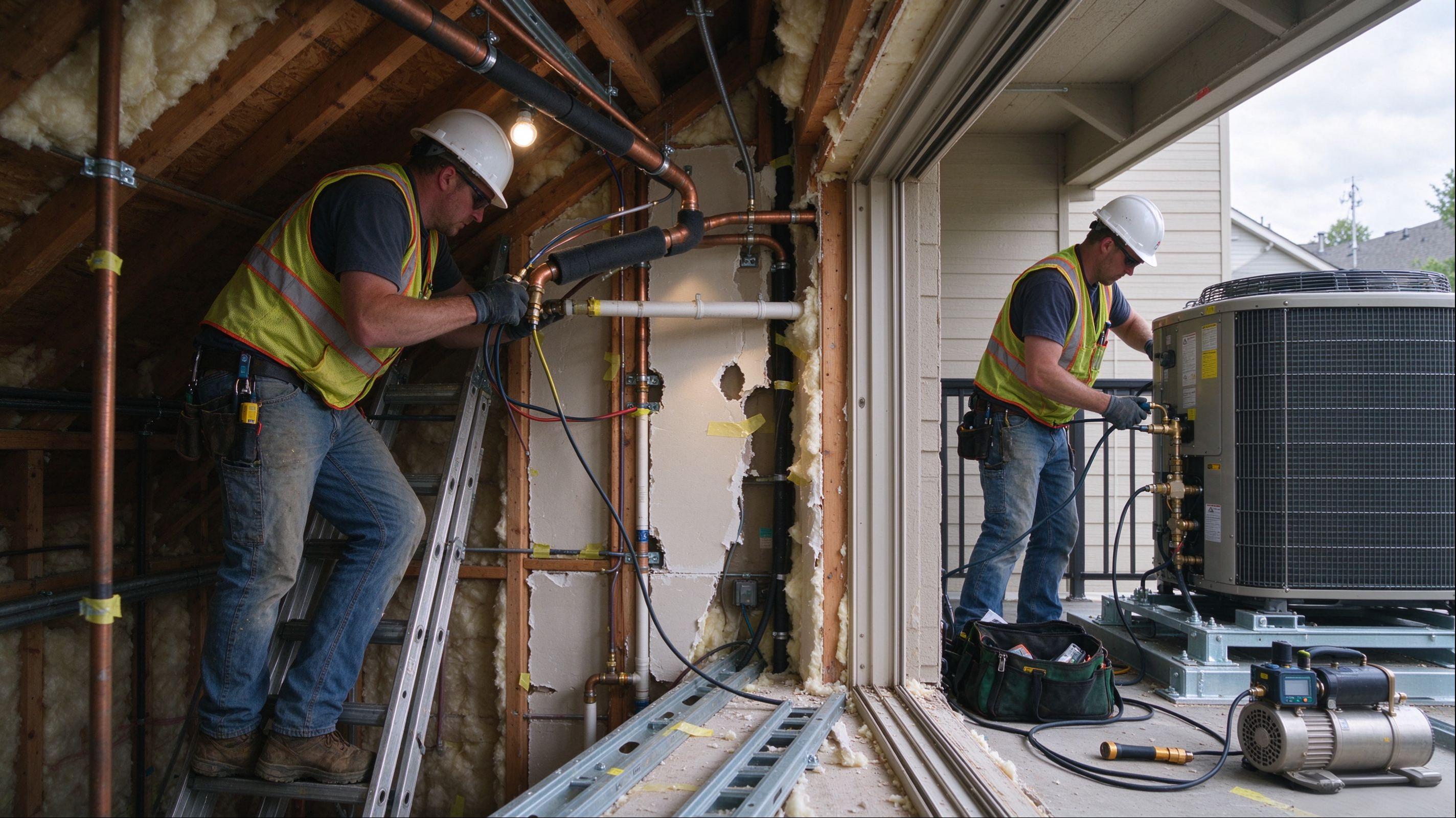
Leaky or undersized ducts can force modifications before a new system performs as rated. New line sets, when required, typically add $75–$600 in materials and $150–$900 in labor, depending on length and access. Long refrigerant runs or wall/roof penetrations push that higher.
4. Labor, Permits, and Access
Labor is a major cost driver and varies widely by region. A tight attic, crawlspace, or rooftop install takes more hours and sometimes a larger crew. Permits and inspection fees commonly fall in the $50–$750 range depending on the municipality. A detailed quote should list these separately rather than burying them.
How Brand, Size, and Efficiency Change the Number
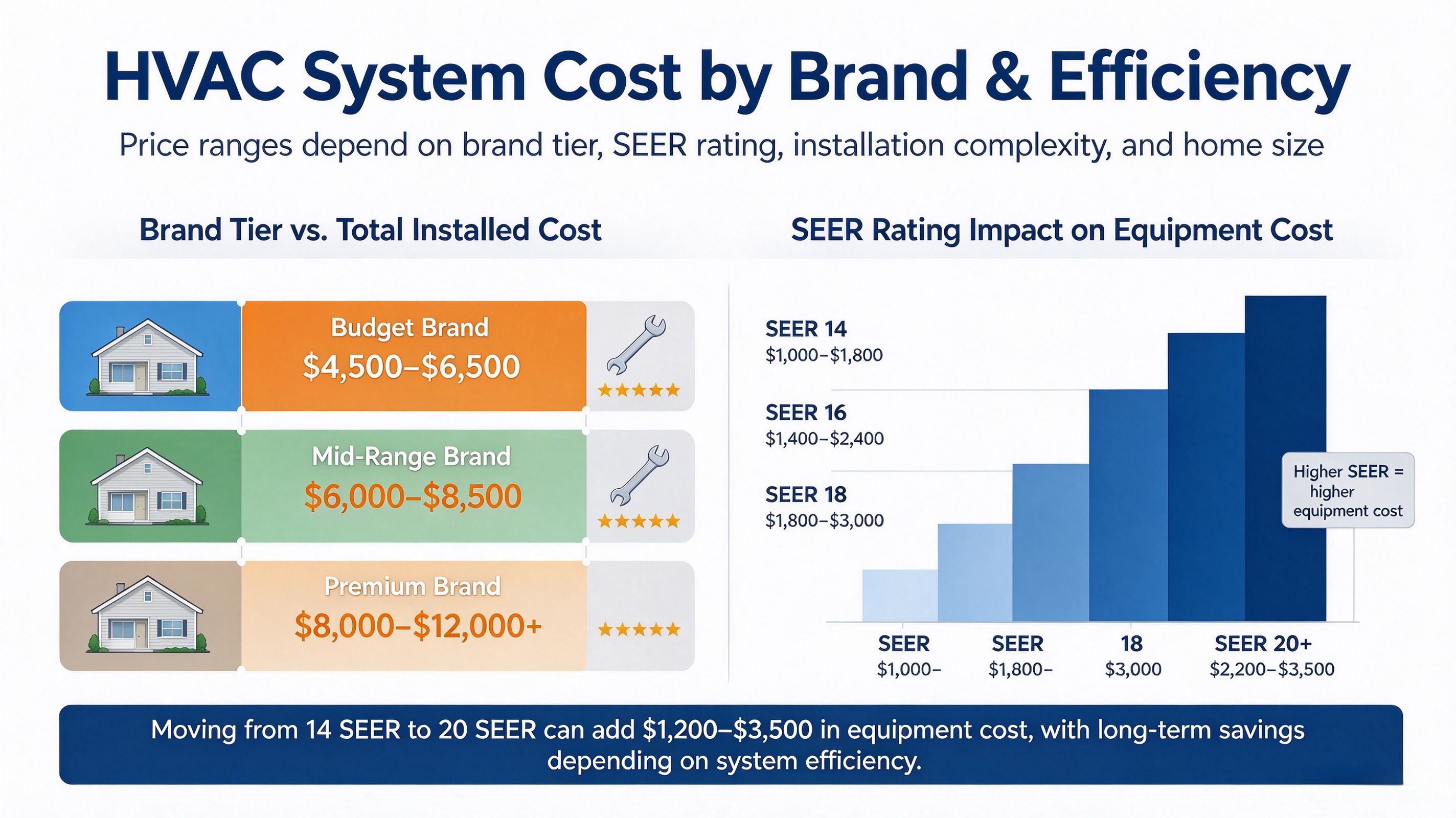
Brand tier and system capacity are the two variables homeowners most often underestimate. Budget-tier equipment can keep the upfront number lower; premium-tier equipment costs more but may offer longer warranties, quieter operation, and better part availability. Neither is automatically the “right” choice—it depends on how long you plan to own the home and what your climate demands.
Size matters differently than most people expect. Moving from a 2-ton to a 3-ton system adds roughly $1,000–$3,000 installed, but the right tonnage is determined by the load calculation, not by square footage alone. Jumping from 14 SEER2 to 20+ SEER2 can add $1,200–$3,500 in equipment cost, with savings showing up over the life of the system.
How to Read an HVAC Quote Without Getting Lost
A fair quote is itemized, not a single lump sum. Look for equipment model numbers, labor hours or crew size, permit allowance, refrigerant type, disposal, and commissioning. If ductwork or electrical work is required, those should appear as separate line items with quantities. A quote that only says “install new system—$12,000” gives you nothing to compare.
It also helps to ask how the contractor arrived at the size. A load calculation—not a rule of thumb—is the strongest signal that the installer is sizing the equipment for your home rather than repeating what was there before. This step protects both comfort and equipment lifespan.
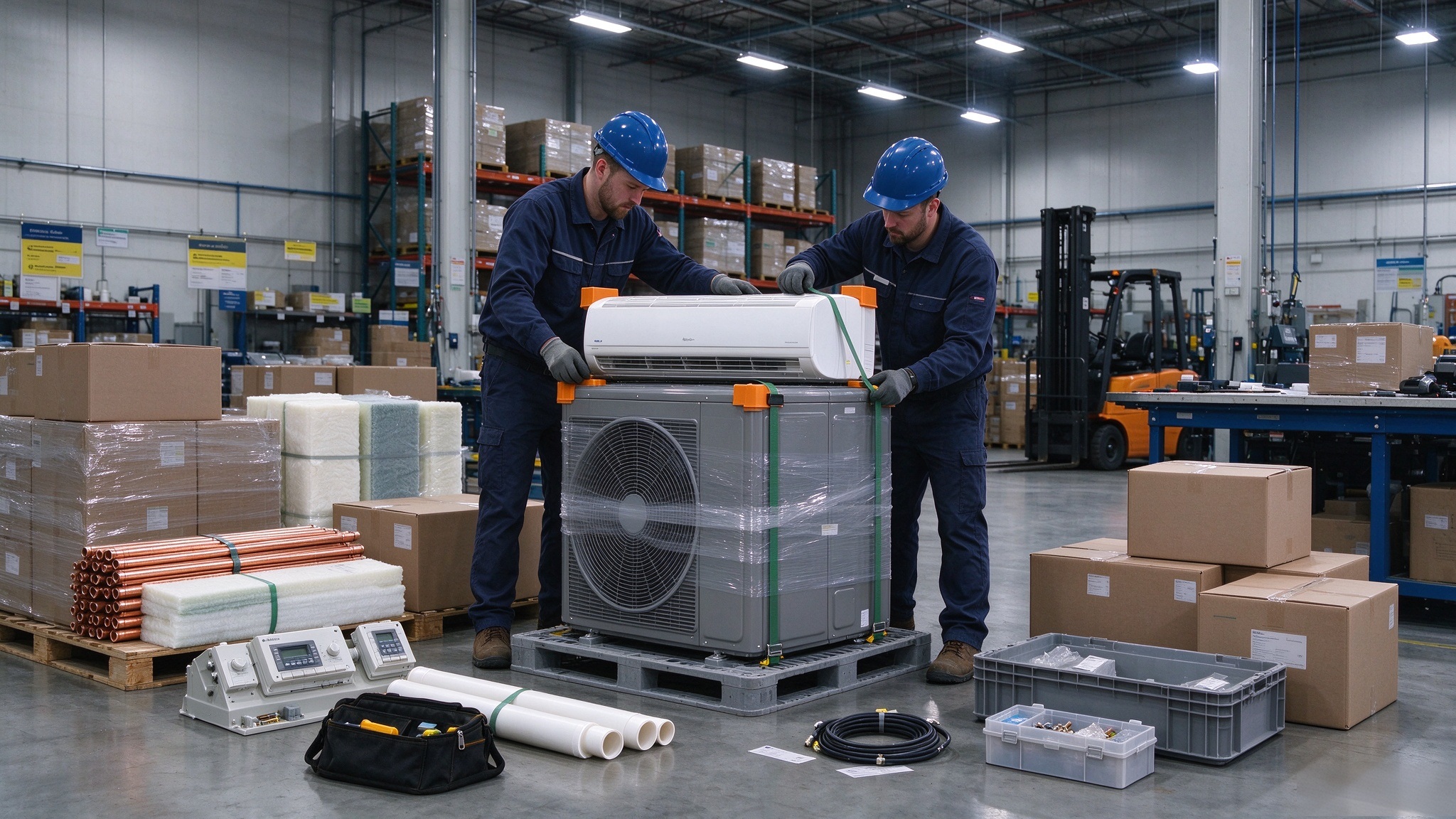
At Refria, we work with homeowners and installers who want to understand the equipment before the quote is finalized. If you are comparing options and want a straight answer on equipment availability, compatibility, or accessories, our team can help you source the right parts or system for the project.
Practical Ways to Manage HVAC Replacement Cost
There is no single trick that cuts the price in half, but a few decisions consistently move the number in the right direction:
Common Questions About HVAC Pricing
Is $10,000 a normal price for a full HVAC replacement?
Yes, for many standard furnace-and-AC changeouts in average-sized homes with usable ductwork, $9,000–$12,000 falls within the normal installed range. Simpler equipment-only swaps can land lower; high-efficiency systems with duct or electrical upgrades often exceed it.
Why is my quote higher than the ranges I see online?
Online ranges usually assume standard access, existing ductwork in good condition, and no major electrical changes. Tight crawlspaces, long line runs, new ductwork, or a required electrical panel upgrade can add significantly to the total. A site-specific quote reflects the actual work, not the average home.
Does a higher-efficiency system always cost less over time?
Not always—it depends on climate, electricity and gas rates, how long you stay in the home, and how well the system is sized and installed. High-efficiency equipment delivers the most value when the home is properly sealed, the ducts are in good shape, and the unit is commissioned correctly.
How Long Do Air Conditioners Last? AC Lifespan Guide by Type and Maintenance