How Long Do Air Conditioners Last? AC Lifespan Guide by Type and Maintenance
If you are asking how long do air conditioners last, the short answer is: most well-maintained systems run for 15 to 20 years, and some reach the 20-year mark with careful upkeep. But that number is a range, not a promise. A neglected unit may fail around year 10, while a properly installed and serviced system can outlast expectations. Understanding what shapes your ac lifespan — and what you can control — is the difference between a planned upgrade and a mid-summer emergency.
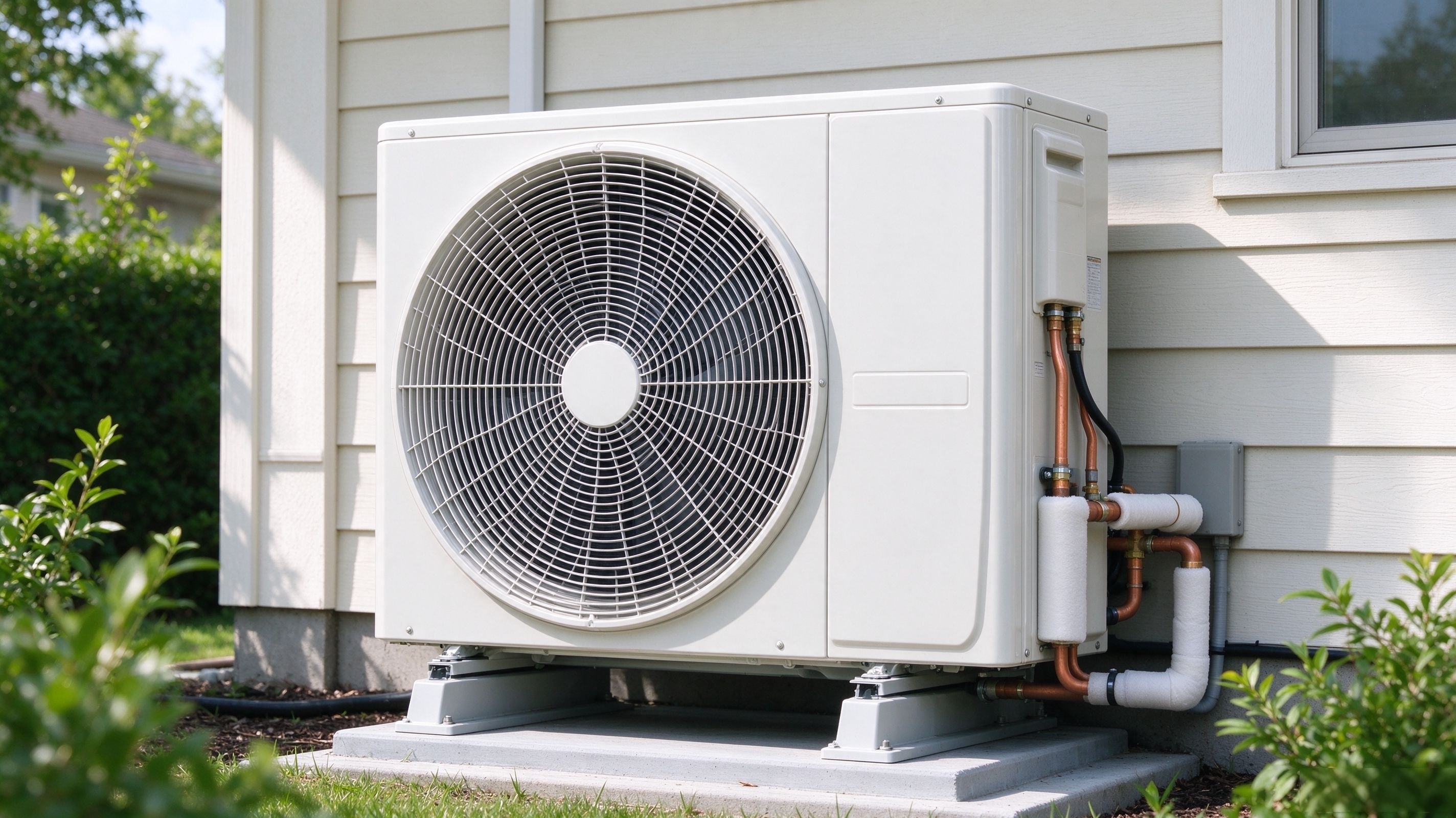
How Long Do AC Units Last, Really?
The question of how long do ac units last does not have one universal answer because “air conditioner” covers several distinct product categories. A central system, a ductless mini-split, a window unit, and a portable unit are built differently, used differently, and age differently. Here is what the data consistently shows across manufacturers and industry sources.
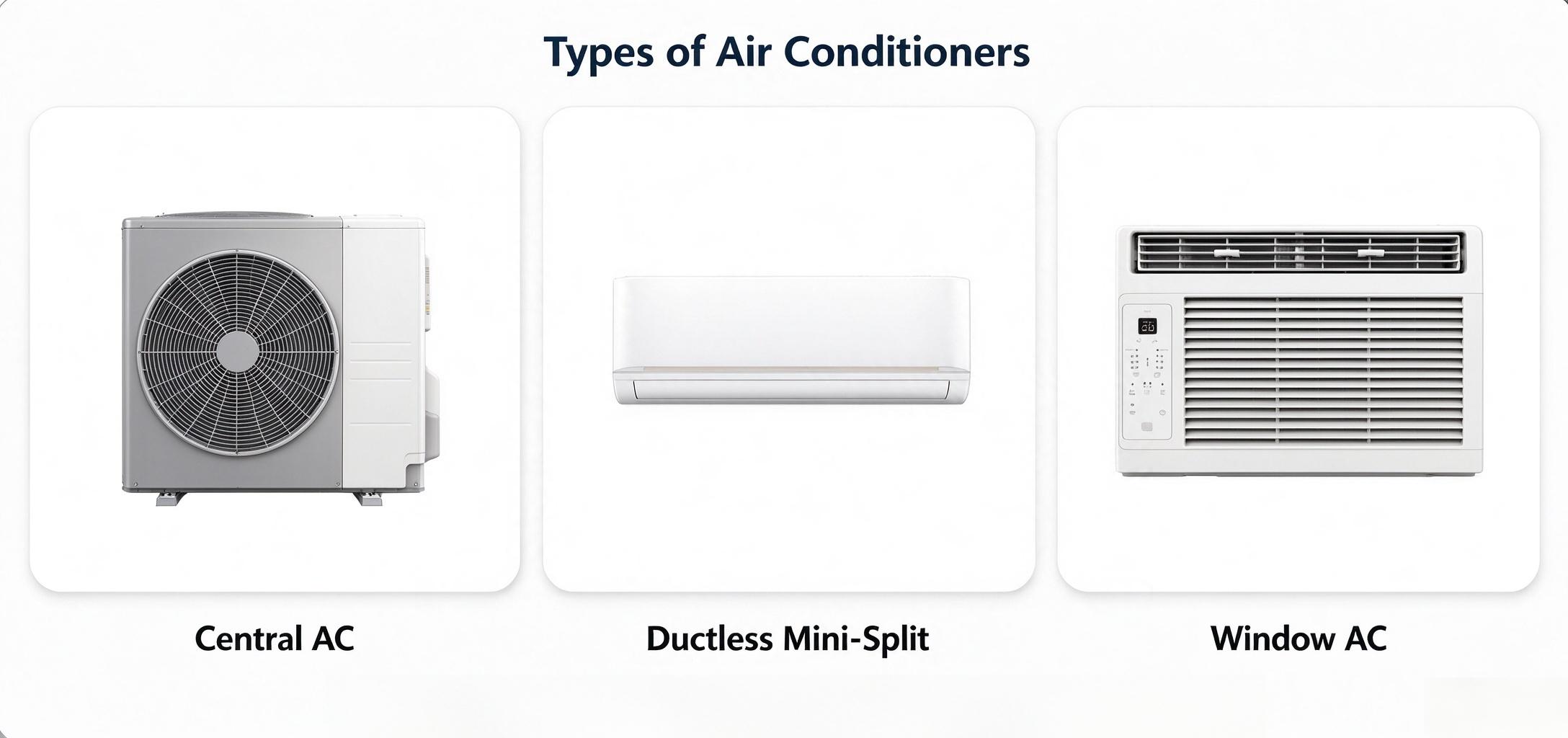
Central systems and mini-splits sit at the top of the range because they use heavier-duty compressors and are designed for longer duty cycles. Window and portable units cost less upfront, but their smaller components and exposure to moisture cause faster wear. If you are comparing ac lifespan across categories, the type of unit matters as much as the brand name on the cabinet.
Four Forces That Decide Your AC’s Useful Life
Two systems of the same model can last very different amounts of time. The variables below explain most of the gap.
Installation quality
A unit that is oversized, undersized, or connected to poorly sealed ductwork works harder from day one. Incorrect refrigerant charge and improper sizing are leading causes of premature failure. Even a premium system will not reach its rated lifespan if the installation is rushed.
Climate and running hours
An AC in a mild climate may accumulate only a few hundred running hours per year; a unit in a hot, humid region can log thousands. More running hours mean more compressor cycles, more wear on capacitors and motors, and a shorter ac lifespan.
Maintenance consistency
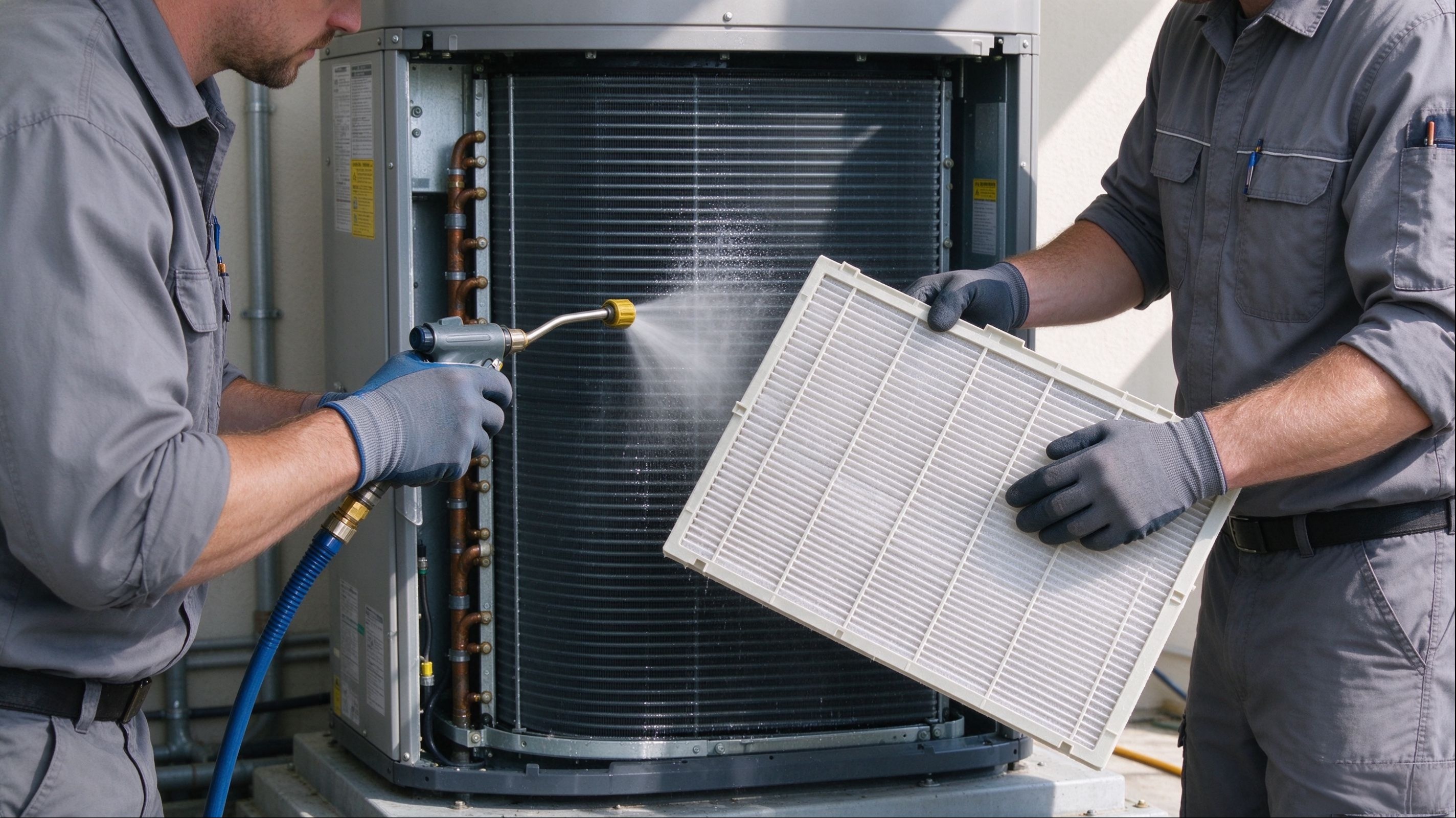
A dirty filter, a clogged condenser coil, or a slow refrigerant leak all force the system to compensate. The U.S. Department of Energy notes that well-maintained units use 15% to 25% less energy than neglected ones, but the benefit is not only efficiency — consistent care prevents small faults from becoming compressor-level failures. Annual professional tune-ups are the single most cited way to protect how long do air conditioners last.
Air quality and environment
Coastal salt air, corrosive airborne particles, and heavy dust all accelerate degradation of coils and electrical components. In these environments, more frequent rinsing of the outdoor unit and closer inspection of connections can add meaningful years.
How to Protect Your AC Lifespan
You do not need to rebuild your routine to get more years from a system. A few consistent habits address the variables above directly.
When Repair Stops Making Sense
Age alone does not tell you whether to repair or replace. A 12-year-old unit with a failed capacitor is a different situation from a 12-year-old unit with a failing compressor. The signs below, taken together, indicate that ac lifespan is approaching its practical end for your home.

A widely used industry shortcut is the “$5,000 rule”: multiply the age of the unit by the cost of the repair. If the number exceeds $5,000, replacement is usually the more economical path. A 10-year-old system facing a $600 repair produces $6,000 — a signal to start planning for a new unit. A 6-year-old system with a $400 repair produces $2,400 — a signal to repair.
Whether you are sourcing a new high-efficiency system or matching a component to an existing unit, Refria can help you confirm compatibility and availability before you commit. Reach out with your model number or project details.
The Bottom Line on How Long Do Air Conditioners Last
Most central systems and mini-splits will serve a home for 15 to 20 years when installation is correct, filters are changed, and annual service is not skipped. Window and portable units live shorter lives by design. The most useful question is not “what is the average,” but “what is happening inside my specific system” — and whether the next repair is protecting an asset or delaying a replacement that is already due.
If you are unsure where your unit sits on that timeline, a professional inspection is the fastest way to get a straight answer. And if the answer points toward replacement or a parts-dependent repair, Refria is ready to help you move forward with the right equipment.
Refria supplies air conditioning equipment and components. Lifespan figures are general industry estimates and vary by model, installation, climate, and maintenance history. Always confirm specifications against the nameplate and manufacturer documentation for your specific unit.
Commercial Kitchen Ventilation System: A Complete Guide for Restaurant Operators