How to Tell If You Have a Heat Pump (and What It Means for Your Home)
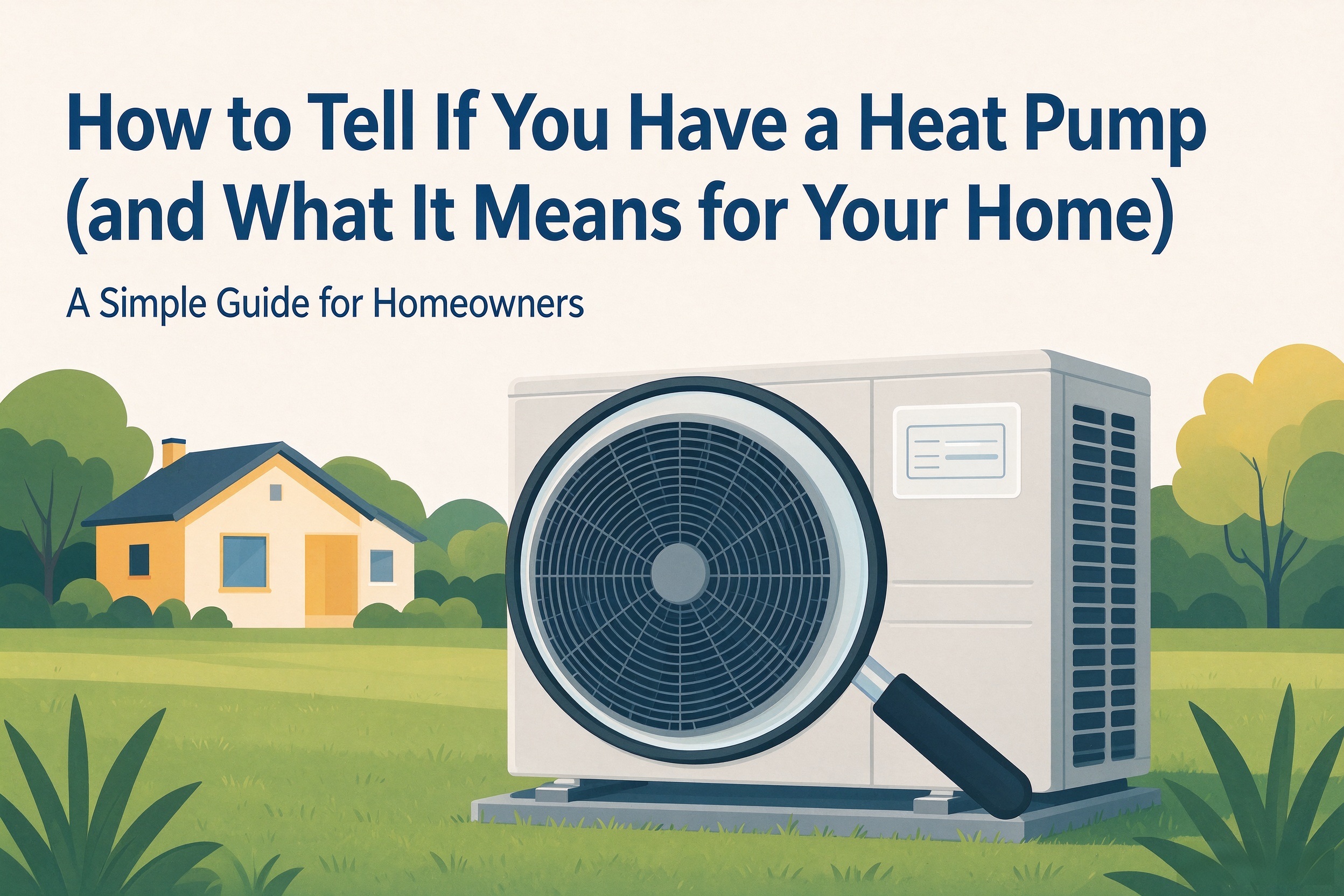
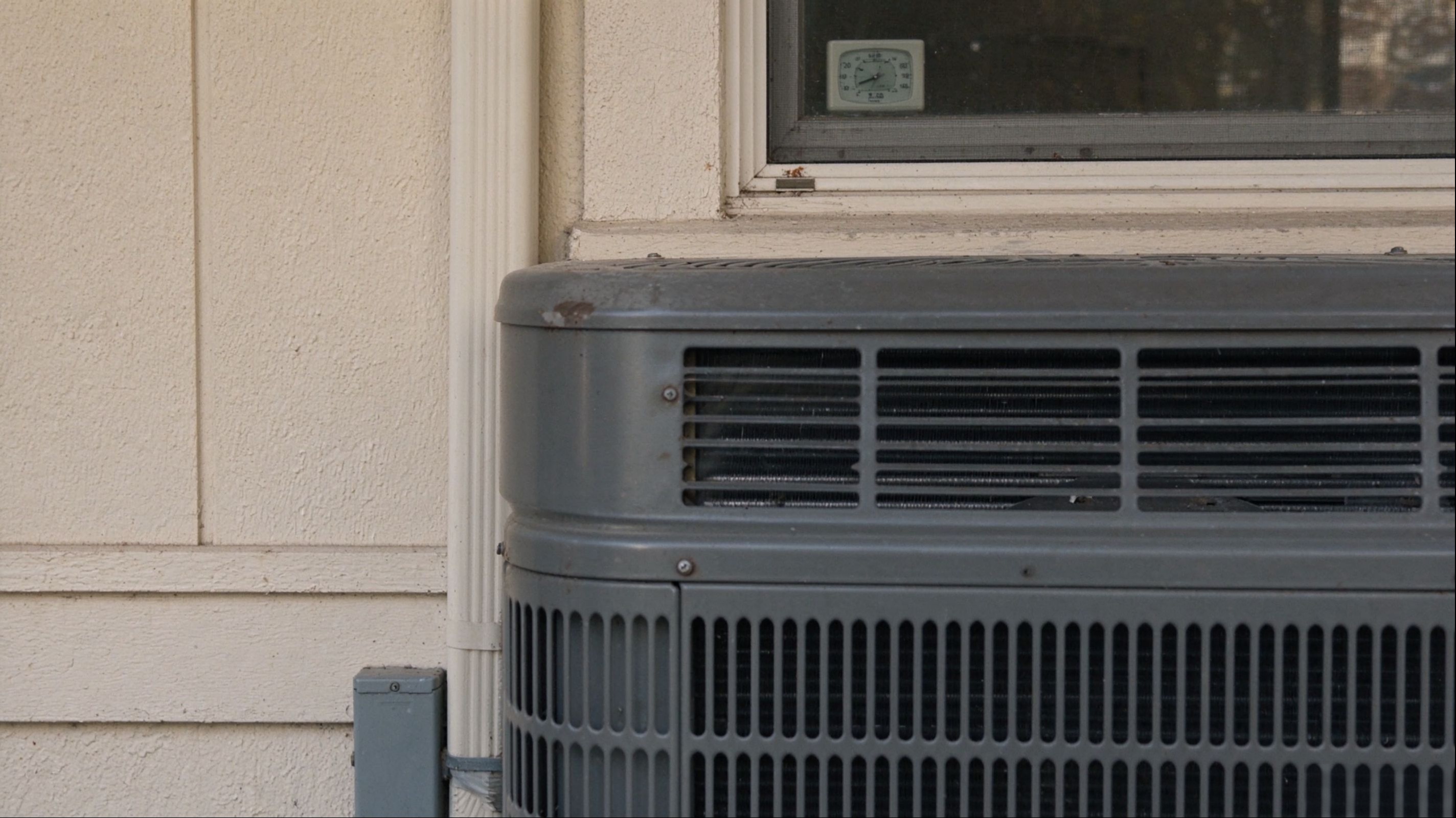
If you have ever stood next to the metal box outside your home and wondered whether it is a heat pump or a regular air conditioner, you are not alone. The two look almost identical from the curb, yet they do very different jobs in winter.
Knowing what is a heat pump — and whether you actually own one — helps you run it correctly, schedule the right maintenance, and avoid costly mistakes on cold nights. This guide walks you through the simplest checks, from the thermostat to the model plate, so you can answer the question how do I know if I have a heat pump in just a few minutes.
What is a heat pump, and how is it different from an air conditioner?
A heat pump is a two-in-one system. In summer, it cools your home exactly like a central air conditioner, pulling heat out of the house and releasing it outside. In winter, it reverses the process and moves heat from the outdoor air into your home — even when the air feels cold.
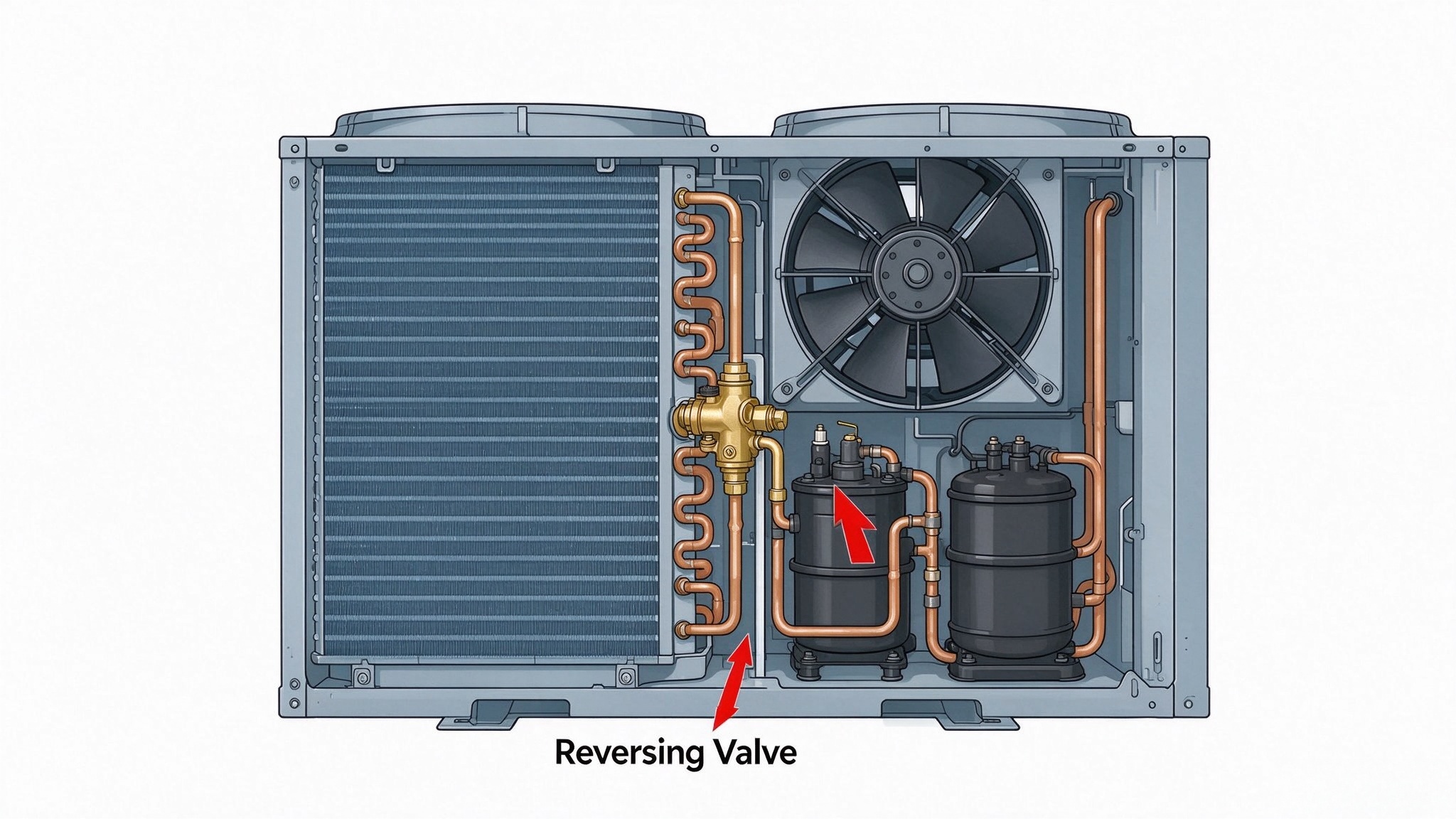
That reversing ability comes from a small but critical part called a reversing valve. A standard air conditioner does not have one; its job is cooling only. A heat pump uses the valve to flip the refrigerant flow, switching between cooling and heating as needed.
Why this matters for you: Because a heat pump moves heat instead of burning fuel to create it, it is often one of the most energy-efficient ways to heat and cool a home. It also means maintenance needs are slightly different from a furnace-plus-AC setup.
How to tell if you have a heat pump: 5 practical checks
You do not need to remove panels or call a technician for the first few checks. Start with the easiest one and work your way down.
1. Look at your thermostat settings
The fastest answer is often on the wall. Walk to your thermostat and look for labels such as “EMER” (emergency heat) or “AUX” (auxiliary heat). These settings exist because heat pumps sometimes need a backup heat source when outdoor temperatures drop sharply.
A traditional furnace-and-AC thermostat will not have these specific designations. If you see them, it is a strong sign that how to tell if you have a heat pump has just been answered.
2. Check the model number on the outdoor unit
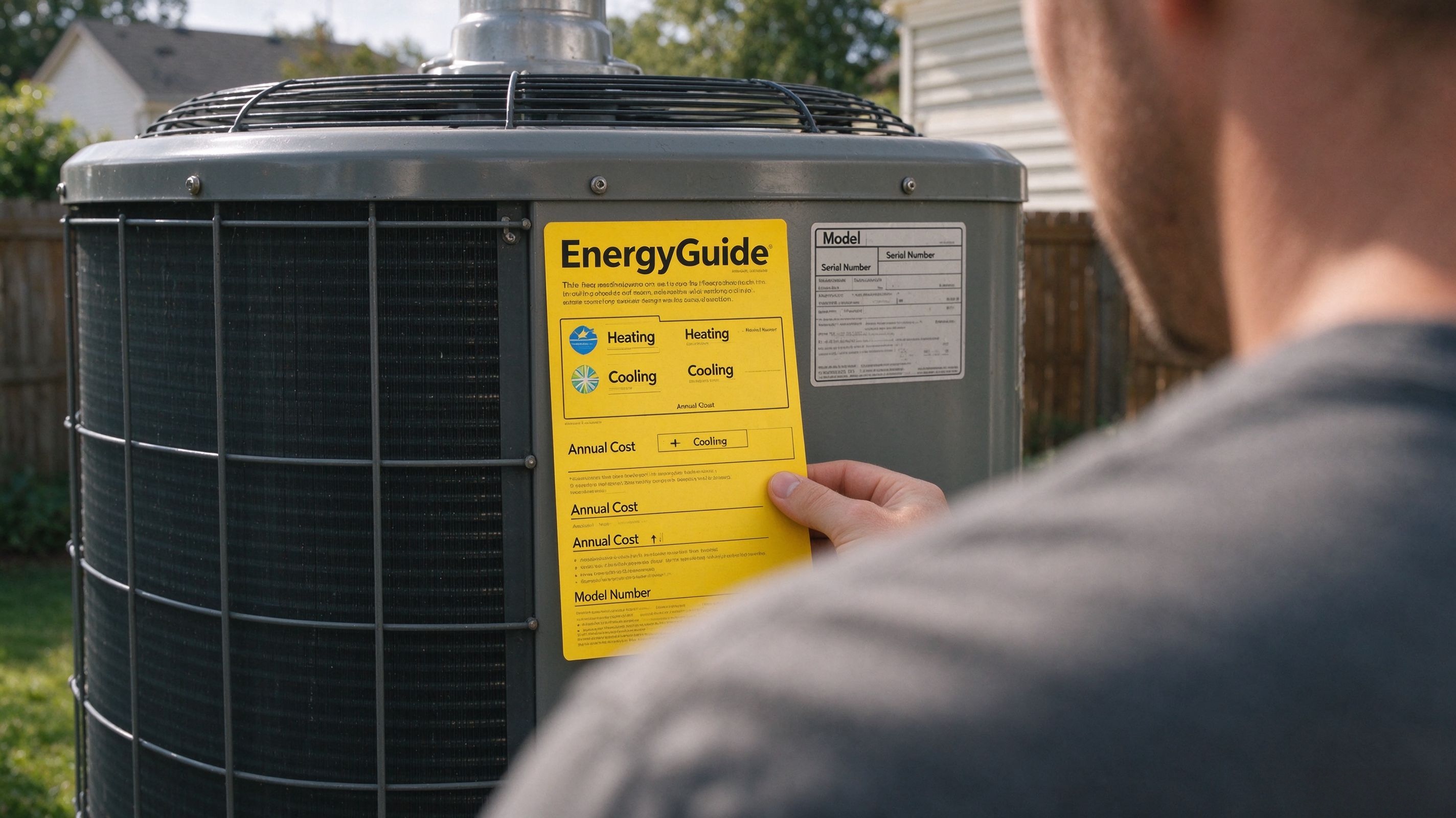
Go outside to the condenser unit and find the metal data plate, usually on the side or back. Write down the model number and search it online along with the brand name. Manufacturer listings will clearly state whether the unit is a heat pump or a cooling-only air conditioner.
Some brands also make it easier: model numbers beginning with “HP” often indicate a heat pump, and certain Carrier heat pump prefixes start with “25” or “27” depending on the refrigerant.
3. Look for the reversing valve inside the outdoor unit
With the power safely turned off at the thermostat, look down through the top grille of the outdoor unit. A heat pump contains a brass, multi-pronged component with tubes on both sides — this is the reversing valve. Standard air conditioners do not have this part.
On some models the valve may be partly hidden, so not seeing it does not automatically mean you do not have a heat pump. Use this check together with another method.
4. Turn on the heat and watch the outdoor unit
Set your thermostat to “Heat” and raise the temperature a few degrees above room temperature. Then go outside and observe the outdoor unit. If the fan is running and you feel cool air blowing out the top while the house is being heated, you have a heat pump.
With a traditional furnace and separate AC, the outdoor unit typically stays completely silent during heating because the furnace does all the work indoors.
5. Read the yellow Energy Guide label
The bright yellow Energy Guide sticker lists efficiency ratings. If you see an HSPF2 (Heating Seasonal Performance Factor) rating alongside a SEER2 rating, the unit is a heat pump. Air conditioners only display cooling efficiency ratings and will not show an HSPF number.
If the label is faded or missing, the model-number check above is usually the most reliable backup.
Heat pump vs. air conditioner: the one difference that matters
The two systems share much of the same technology, and they cool your home in nearly the same way. The important difference is scope: an air conditioner provides cooling only, while a heat pump provides both cooling and heating in a single outdoor unit.
That does not automatically make one “better” than the other — it depends on your climate, your existing ductwork, and how your home is set up. But if you are asking what is a heat pump because you are planning a replacement or upgrade, this distinction should guide the conversation with your installer.
A quick rule of thumb: if your outdoor unit runs in winter and your thermostat has an “AUX” or “EMER” setting, you almost certainly have a heat pump. If the outdoor unit stays off in heating mode and you have a gas or oil bill for winter, you likely have a furnace paired with a separate AC.
Why identifying your system is worth ten minutes
When you know exactly what equipment is outside your home, you can avoid unnecessary service calls, choose the right filter and maintenance schedule, and operate the system the way it was designed to run. Heat pumps, for example, generally perform best when they are allowed to run steadily rather than being switched on and off aggressively — and the “Emergency Heat” setting should be reserved for genuine emergencies, not everyday use.
If you are still unsure after these checks, or if you are planning to replace or expand your HVAC equipment, having the model number ready makes the conversation much faster. At Refria, we work with homeowners and contractors to match the right heat pump or air conditioning equipment to the job — and we are happy to help you confirm what you are looking at.
Need help choosing the right heat pump or AC equipment?
Send us your model number or your project details. We will help you confirm compatibility and point you toward the right parts or equipment — without the guesswork.
Refria · HVAC equipment & parts supply
Central Air Conditioning: What It Is and How It Works