Types of Air Conditioners: Find the Best Type of AC for Your Home
Choosing the right cooling system can feel overwhelming with so many types of air conditioners on the market today. Whether you are cooling a single room or an entire home, understanding the different types of air conditioners helps you make a confident, informed decision. At Refria, we bring years of hands-on HVAC experience to guide homeowners toward the solution that fits their space, budget, and comfort needs. This guide walks you through each major option so you can determine the best type of air conditioner for your unique situation.
Not sure which AC type fits your home? Our team at Refria is ready to help — reach out today.
Central Air Conditioning Systems
Central air conditioners are among the most common types of AC found in modern homes across North America. These systems use a network of ducts to distribute cooled air evenly to every room. A central unit consists of an outdoor condenser, an indoor evaporator coil, and a thermostat that controls the entire setup.
Key Advantages
• Consistent cooling throughout the entire home
• Quiet operation with the noisy components placed outdoors
• Can significantly increase property value when properly installed
• Compatible with smart thermostats for energy savings
Things to Consider
• Requires existing ductwork or the added expense of duct installation
• Higher upfront cost compared to room-specific solutions
• Regular duct cleaning and filter changes are necessary
Ductless Mini-Split Systems
Ductless mini-split systems have surged in popularity as highly efficient types of air conditioners for homes without existing ductwork. These systems pair an outdoor compressor with one or more sleek indoor air-handling units mounted on walls or ceilings. Each indoor unit operates independently, allowing precise temperature control for individual zones.
Key Advantages
• No ductwork needed — perfect for older homes, additions, or garages
• Excellent energy efficiency with high SEER ratings available
• Zoned cooling reduces wasted energy in unoccupied rooms
• Many models offer both cooling and heating capabilities
Things to Consider
• Indoor units are visible and may not suit every design preference
• Higher per-room equipment cost compared to window units
• Professional installation is strongly recommended for optimal performance
Window Air Conditioners
Window air conditioners remain a practical choice among the different types of air conditioners for renters and homeowners on a tighter budget. These self-contained units fit into standard window frames and plug into a regular electrical outlet. They are designed to cool a single room effectively.
Key Advantages
• Low upfront cost and widely available
• Simple DIY installation for most standard windows
• Portable — can be removed and stored during cooler months
Things to Consider
• Limited to cooling one room or a small open area
• Can be noisy during operation
• Blocks natural light and the view from the window
Still comparing your options? Let our experts at Refria help you weigh the pros and cons. 📩 Send Us an Email 💬 WhatsApp Message
Portable Air Conditioners
Portable air conditioners offer a flexible solution when other types of AC are not feasible. These floor-standing units come with wheels and use a hose to vent hot air out through a window kit. They are popular in apartments, rental properties, and spaces where window units or permanent installations are not allowed.
Key Advantages
• Easy to move from room to room as needed
• No permanent installation required
• Works well in spaces with non-standard windows
Things to Consider
• Generally less energy-efficient than other options
• Can be noisy since the entire unit sits inside the room
• Takes up floor space and requires a nearby window for venting
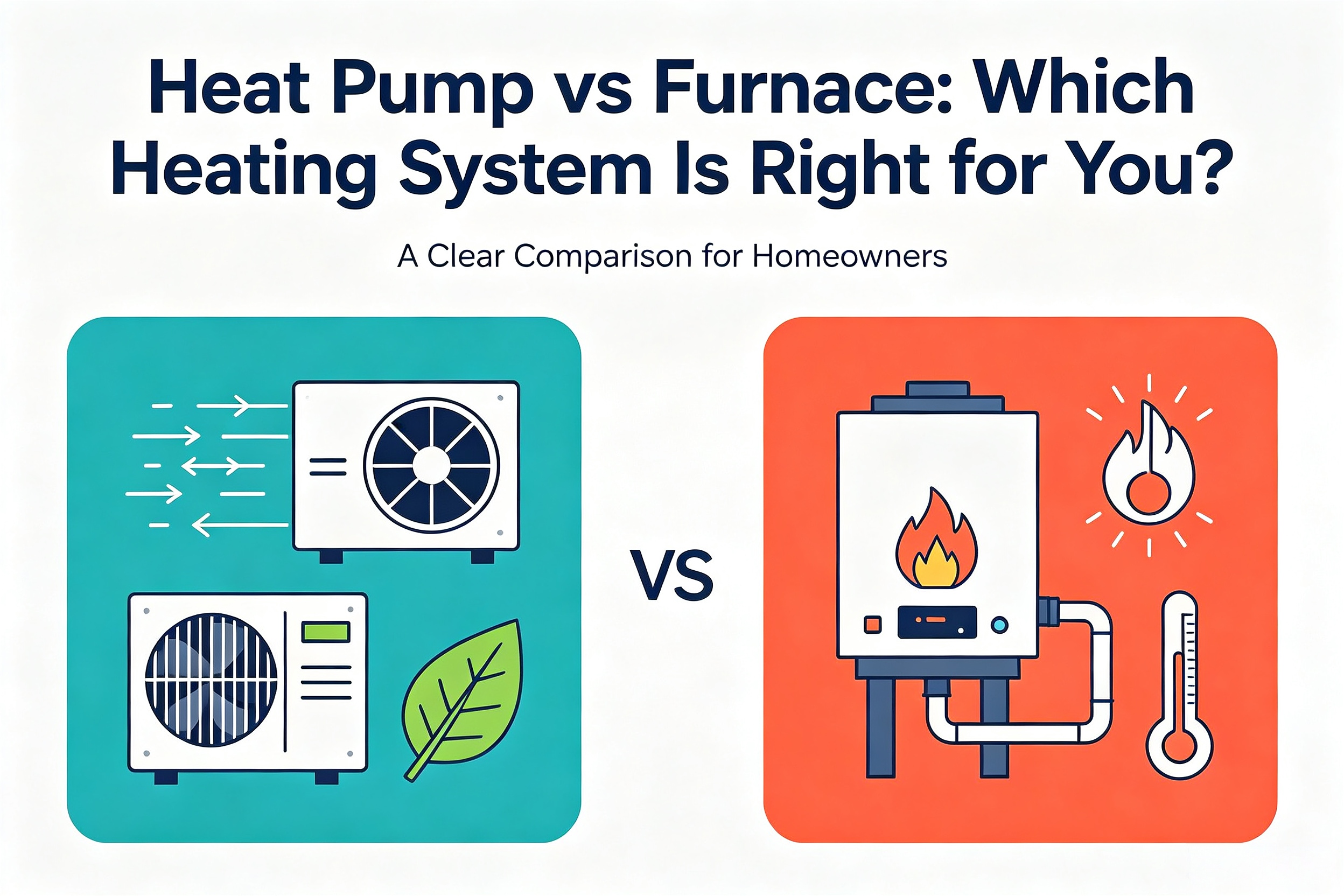
Heat Pump Systems
Heat pump systems are versatile types of air conditioners that provide both cooling and heating from a single unit. During warm months, they function exactly like an air conditioner by extracting heat from indoors and releasing it outside. In cooler weather, the process reverses to bring warmth into your home. This dual functionality makes them increasingly popular in moderate climates.
Key Advantages
• Year-round comfort with one integrated system
• Highly energy-efficient compared to separate heating and cooling units
• Available in both ducted and ductless configurations
Things to Consider
• Performance may drop in extremely cold climates without a backup heat source
• Higher initial investment compared to basic AC-only systems
How to Choose the Best Type of Air Conditioner for Your Home
Determining the best type of air conditioner depends on several factors unique to your living situation. Here are the key questions to ask yourself before making a decision:
🏠 Do you have existing ductwork? If yes, a central system may be the most seamless choice. If not, ductless mini-splits or individual room units are excellent alternatives.
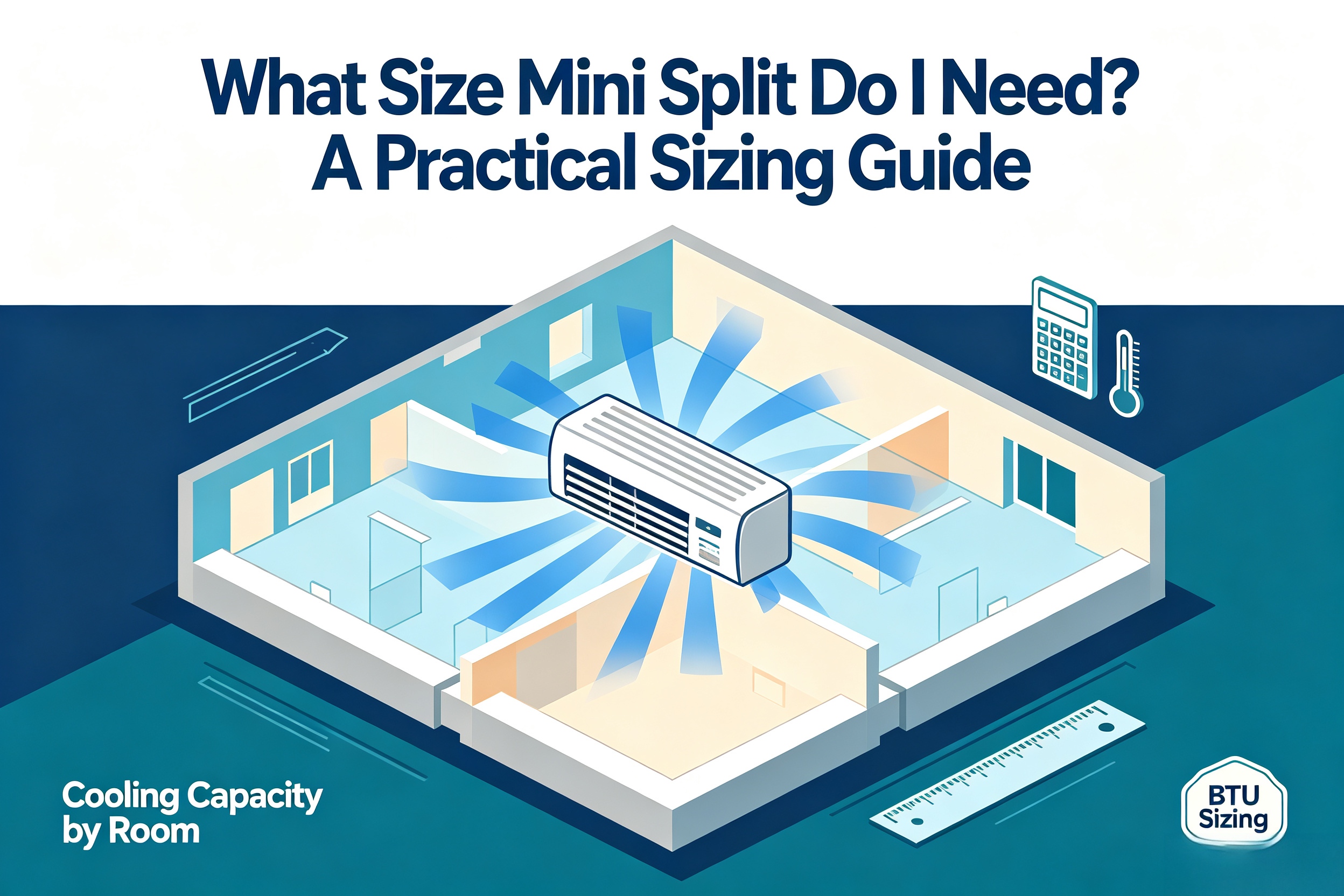
📏 How much space do you need to cool? A single room calls for a window or portable unit. Whole-home comfort points toward central AC or a multi-zone mini-split setup.
💰 What is your budget range? Window and portable units have the lowest upfront cost. Central and mini-split systems require a larger investment but offer long-term value and efficiency.
🌡️ Do you also need heating? A heat pump serves double duty and can simplify your home climate control throughout the year.
🔇 How important is noise level? Central and mini-split systems are notably quieter than window or portable units because the loudest components are placed outdoors.
Need personalized guidance? Refria's experienced team can help you find the perfect match for your home and budget.
Expert Tips for Long-Lasting Performance
No matter which of the types of air conditioners you choose, proper care keeps it running efficiently for years. At Refria, we recommend these simple habits:
✓ Clean or replace filters every 30 to 90 days for optimal airflow
✓ Schedule a professional tune-up at least once a year
✓ Keep the outdoor unit clear of leaves, dirt, and debris
✓ Seal any gaps around window units to prevent cool air from escaping
✓ Use a programmable thermostat to reduce runtime when you are away
💡 Pro Tip: A well-maintained AC unit can use up to 15% less energy than a neglected one. Small habits lead to noticeable savings over time.
Ready to Find Your Ideal Cooling Solution?
We have explored the major types of air conditioners, from central systems and ductless mini-splits to window units, portable ACs, and heat pumps. Each of these different types of air conditioners serves a specific purpose, and the best type of air conditioner is the one that aligns with your home's layout, your climate, and your personal comfort goals. The team at Refria is here to answer your questions and help you move forward with confidence.
We respond to all inquiries within one business day. Your comfort is our priority.
Refria — Trusted HVAC Guidance for Homeowners • sharon.pan@refria.com • +86 19050122084
Release time: 2026-08-03
Mini Split vs Central Air: Which System Is Right for Your Home?
What Is a Heat Pump? A Beginner's Guide to Heat Pump Systems
Related blog