Energy Recovery Ventilators: Fresh Air, Smarter Living
Indoor Air Quality Guide
Energy Recovery Ventilators:
Fresh Air, Smarter Living
Fresh Air, Smarter Living
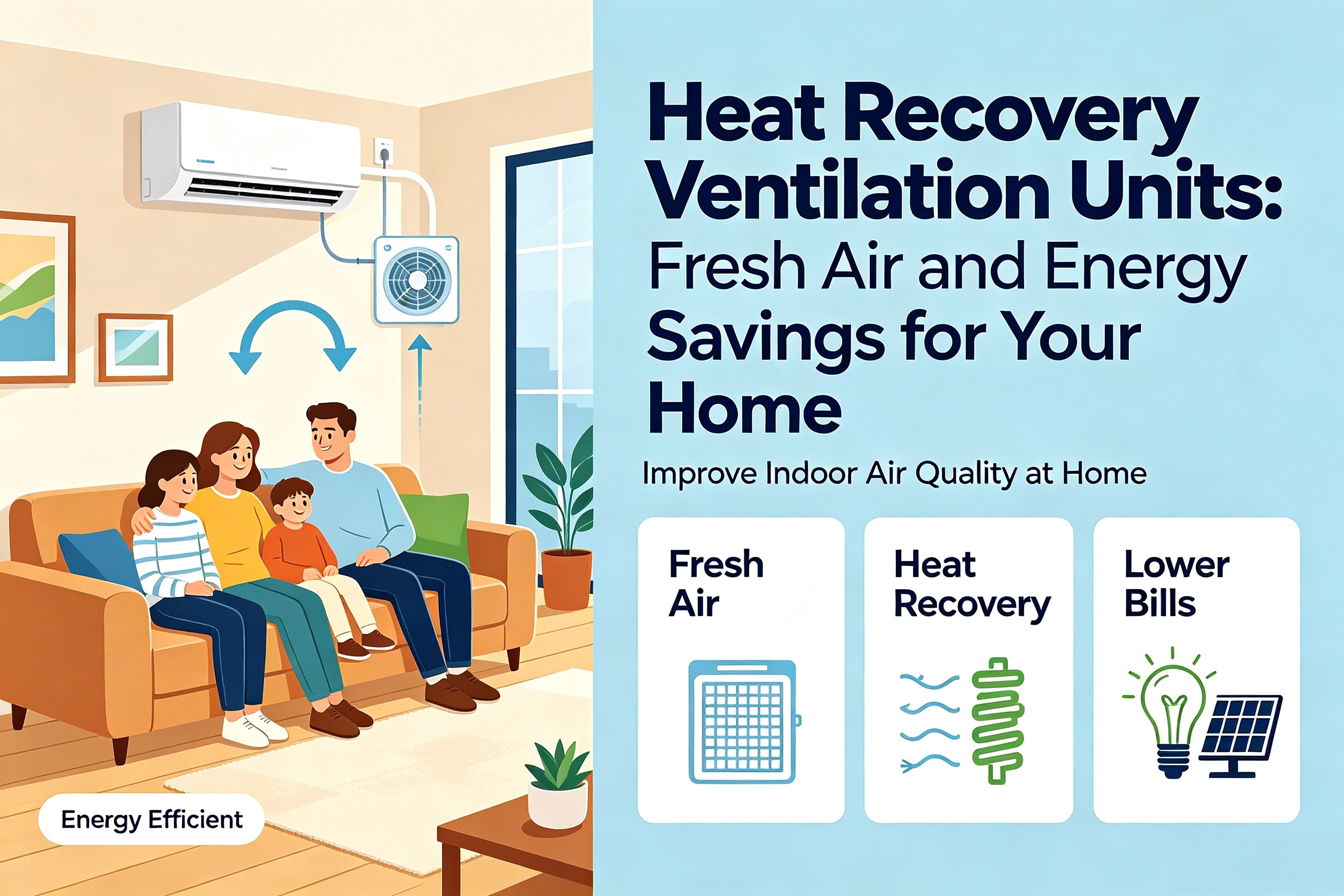
Modern homes are built tight to save energy — but that often means trapping stale air, excess moisture, and pollutants inside. An Energy Recovery Ventilator (ERV) solves this by bringing in fresh outdoor air while keeping your energy bills in check.
📩 Email Our Team for a Free Consultation Reach us at sharon.pan@refria.com — we respond within 24 hours.
What Is an Energy Recovery Ventilator (ERV)?
An Energy Recovery Ventilator — commonly called an ERV system — is a mechanical ventilation device that continuously exchanges stale indoor air with fresh outdoor air. What makes it special is the energy recovery core at its heart. This core captures heat and moisture from the outgoing air and transfers them to the incoming air stream. In winter, it pre-warms and humidifies the cold dry air before it enters your home. In summer, it does the opposite — pre-cooling and dehumidifying the hot humid air from outside.
Unlike a basic exhaust fan that simply blows conditioned air out of your house, an ERV recycles energy that would otherwise be lost. Think of it as a smart air exchange system — you get the freshness of open windows without the energy penalty.
💡 Quick Fact: A well-designed ERV system can recover 60% to 80% of the energy from exhaust air — dramatically reducing the load on your heating and cooling equipment.
How Does an ERV System Work?
Inside every ERV unit, two separate air streams flow through a specialized heat-exchange core without ever mixing directly. Here is the simple step-by-step process:
1 Stale indoor air is pulled from rooms like bathrooms, kitchens, and laundry areas through ductwork into the ERV unit.
2 Fresh outdoor air is drawn in through a separate intake and passes through the other side of the energy recovery core.
3 Heat and moisture transfer across the core — the two air streams never mix, but energy and water vapor move from one side to the other through the specialized membrane.
4 Conditioned fresh air is then distributed to living spaces and bedrooms — already tempered to a comfortable temperature and humidity level.
The result? Your home stays fresh and well-ventilated year-round, and your HVAC system doesn't have to work nearly as hard to heat or cool the incoming air. This is the core advantage that sets an ERV apart from simpler ventilation options.
Top Benefits of Installing an ERV in Your Home
Here is what you can expect after adding an energy recovery ventilator to your HVAC setup:
Lower Energy Bills Month After Month
By recovering up to 80% of the thermal energy from exhaust air, an ERV significantly reduces the amount of work your furnace or air conditioner needs to do. Many homeowners see noticeable savings on their utility bills within the first full season of operation.Healthier Indoor Air for Your Family
An ERV constantly flushes out indoor pollutants — cooking fumes, cleaning chemical residues, allergens, and excess CO₂ — while bringing in filtered fresh air. The result is a cleaner, healthier living environment for everyone under your roof.Balanced Humidity Levels All Year
Winter air is cold and dry — an ERV retains indoor moisture to prevent overly dry conditions. Summer air is hot and sticky — the ERV strips excess humidity before it enters. You enjoy consistent comfort without needing a separate dehumidifier or humidifier running constantly.Less Strain on Your HVAC Equipment
When your heating and cooling system doesn't have to fight against unconditioned outside air, it runs fewer cycles and experiences less wear over time. This can extend the service life of your furnace, heat pump, or air conditioner by years.Curious how much you could save? Let our team assess your home and recommend the right ERV solution.
Request Your Assessment → Why Homeowners Trust Refria for ERV Solutions
Choosing the right partner for your home ventilation project matters. At Refria, we bring together technical knowledge, practical experience, and a genuine commitment to your comfort. Here is what sets us apart:
✓ Sizing That Fits Your Home Perfectly: We don't guess. Our team calculates the exact ventilation requirements based on your home's square footage, layout, and occupancy — ensuring optimal performance without wasted energy.
✓ Professional Installation by Trained Technicians: An ERV is only as good as its installation. Our certified installers follow rigorous procedures to ensure every duct connection, damper, and control is set up correctly from day one.
✓ Honest Guidance, No Pressure: We explain your options clearly — including whether an ERV, an HRV, or another solution makes the most sense for your specific situation. Your long-term satisfaction matters more than a quick sale.
✓ Ongoing Support After Installation: Our relationship doesn't end when the job is done. We provide maintenance tips, filter replacement reminders, and responsive support whenever you need us.
✉️ Email Sharon at Refria — Start the Conversation Direct line: sharon.pan@refria.com
Common Questions About ERV Systems
Is an ERV the same as an HRV?
They are similar but not identical. An HRV (Heat Recovery Ventilator) transfers only heat, not moisture. An ERV transfers both heat and moisture. In climates with significant humidity concerns — whether too dry in winter or too humid in summer — an ERV is usually the better choice because it helps maintain balanced indoor humidity levels.Do I really need an ERV if my house already has a bathroom fan?
A bathroom fan only exhausts air — it doesn't bring fresh air in. This creates negative pressure in your home, which can pull in unfiltered outdoor air through cracks and gaps. An ERV provides balanced ventilation, supplying fresh filtered air while exhausting stale air at equal rates. It's a complete solution, not just an exhaust point.How much maintenance does an ERV require?
Routine maintenance is minimal. You'll need to clean or replace the filters every 3 to 6 months (depending on your local air quality) and have the core inspected annually. Most homeowners find the upkeep comparable to changing HVAC filters — simple and manageable.Can an ERV be added to my existing HVAC system?
Yes — in most cases, an ERV can be integrated with your current heating and cooling system. It can operate using its own dedicated ductwork or tie into your existing duct layout. Our team at Refria can evaluate your setup and recommend the most practical approach for your home.Have more questions? We're happy to help. Every home is different. Reach out to us with your specific situation and we'll provide honest, tailored advice — no obligation. Ask Us Anything — Email Now
Ready to Breathe Better Air? Let's Talk.
An Energy Recovery Ventilator is one of the smartest investments you can make in your home's comfort, health, and energy efficiency. It works quietly in the background — bringing in fresh air, balancing humidity, and reducing the load on your HVAC equipment — so you can enjoy a cleaner, more comfortable living space every single day.
At Refria, we're here to help you navigate the options and find the right ventilation solution for your home. Whether you're building a new house, renovating, or simply looking to improve your indoor air quality, our team is ready to guide you every step of the way.
Get in Touch With Refria Today Tell us about your home and ventilation needs — we'll respond with expert recommendations within one business day. 📩 sharon.pan@refria.com Free initial consultation · No pressure · Honest advice
Refria — Professional HVAC & Ventilation Solutions Contact: sharon.pan@refria.com
Release time: 2026-07-27
Building a Dependable HVAC Supply Chain: How to Choose Air Conditioners and Parts That Last
Finding the Right Industrial Cooling System: A Straightforward Guide for Facility Managers and Engineers
Related blog