Commercial HVAC Systems: Types, Costs & Expert Selection Guide
Commercial hvac systems are the backbone of any comfortable, productive business space. Whether you run a small retail shop, a busy restaurant, a multi-story office, or a large warehouse, the right heating and cooling setup can make a huge difference in your energy bills, indoor air quality, and day-to-day operations. At Refria, we help building owners and facility managers choose, install, and maintain the best system for their exact needs. This guide walks you through the most common types of commercial hvac systems in plain language — no confusing jargon, just clear facts to help you make a smart choice.
What Are Commercial HVAC Systems?
In simple terms, commercial hvac systems are the equipment and ductwork that heat, cool, and ventilate non-residential buildings. Unlike home units, these systems are built to handle larger spaces, higher occupancy, longer operating hours, and stricter building codes. They often include multiple zones, advanced controls, and components that need professional installation and regular upkeep.
The right system keeps employees comfortable, protects sensitive equipment, and helps you control energy costs. At Refria, we work with all major system types and can guide you from design to installation and beyond.
Main Types of Commercial HVAC Systems
There is no one-size-fits-all answer. The best choice depends on your building size, layout, climate, and budget. Below are the most common options we install and service at Refria.
1. Split HVAC Systems
A split system has two main parts: an outdoor unit (with the condenser and compressor) and an indoor unit (with the evaporator coil and air handler). Refrigerant lines connect the two. These systems are popular for small to mid-sized commercial spaces like clinics, small offices, boutiques, and cafés.
Pros: Lower upfront cost, easier to zone, widely available parts. Cons: Not ideal for very large buildings, outdoor space required, one outdoor unit per indoor unit in most cases.
2. VRF and VRV Systems (Variable Refrigerant Flow)
VRF (Variable Refrigerant Flow) and VRV (Variable Refrigerant Volume) systems are smart, highly efficient options for mid-size to large commercial buildings. One outdoor unit connects to many indoor units, and each zone can be controlled independently. They are great for hotels, office towers, schools, and mixed-use buildings.
Pros: Excellent energy efficiency, individual zone control, quiet operation, space-saving design. Cons: Higher upfront cost, needs skilled technicians for install and repair (Refria has certified VRF experts on staff).
3. Rooftop Units (RTUs)
Rooftop units are packaged systems placed on the roof of a commercial building. They combine heating, cooling, and ventilation in one self-contained unit that connects to ductwork below. RTUs are common in retail stores, restaurants, warehouses, and single-story office buildings.
Pros: Saves indoor floor space, easy to service from the roof, modular design allows multiple units for zoning. Cons: Exposure to weather can cause wear, roof must support the weight, ductwork installation required.
4. Chiller Systems (Water-Cooled and Air-Cooled)
Chillers are heavy-duty cooling machines used in large commercial and industrial buildings. They cool water, which is then circulated through air handlers or fan coil units to cool the building. Chillers are common in hospitals, universities, large office campuses, data centers, and manufacturing plants.
Pros: Handles very large cooling loads, long equipment lifespan, precise temperature control. Cons: High initial cost, complex maintenance, requires dedicated mechanical room or cooling tower.
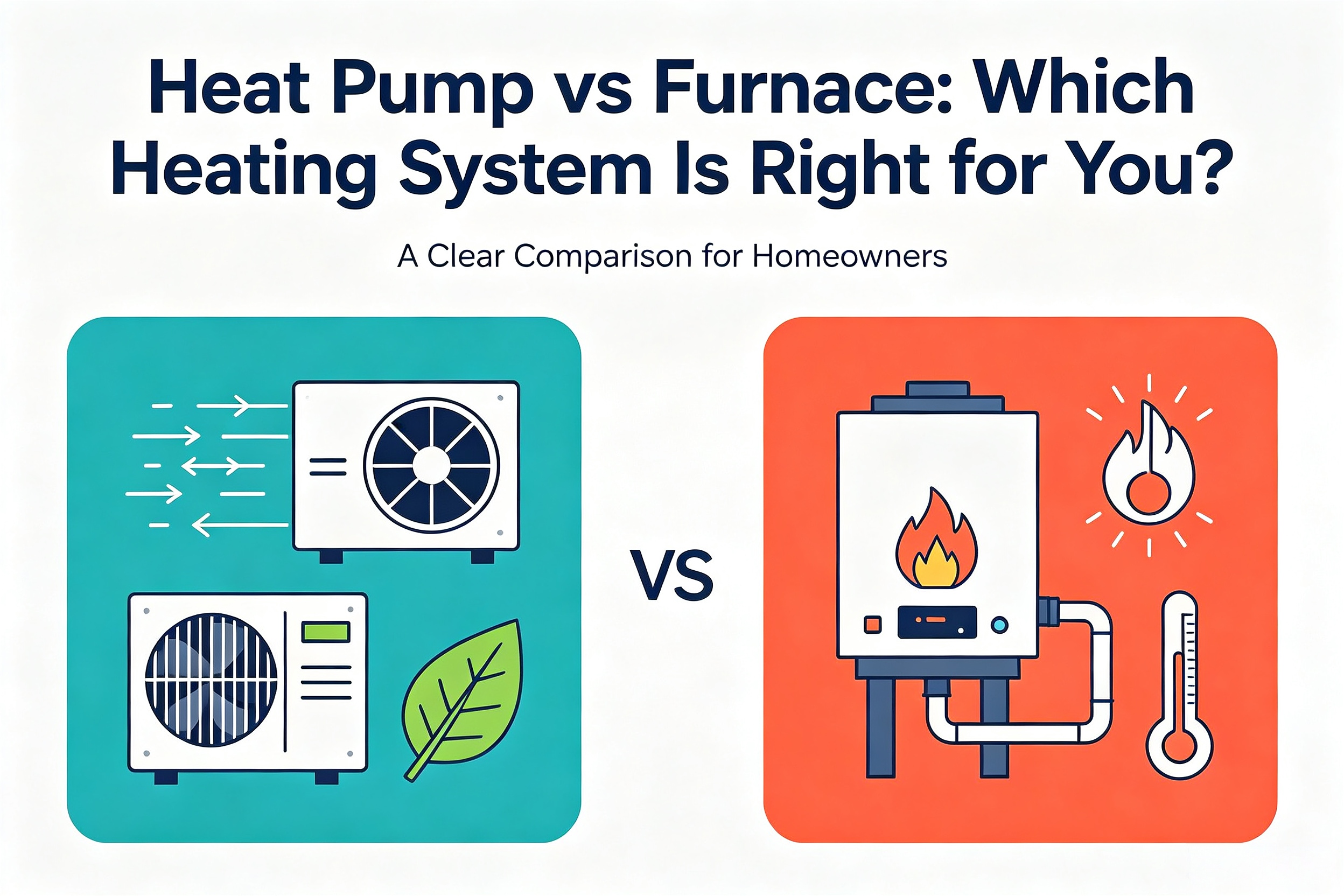
5. Commercial Heat Pump Systems
Heat pumps are versatile because they provide both heating and cooling in one system. In cooling mode, they work like an air conditioner. In heating mode, they reverse the flow of refrigerant to pull warmth from outside air (or ground) into the building. They are great for moderate climates and are becoming more popular as businesses look for energy-efficient alternatives to gas heating.
Pros: High energy efficiency, one system for heating and cooling, lower carbon footprint, eligible for many utility rebates. Cons: Performance drops in extreme cold (though cold-climate models are improving), higher upfront cost than basic AC plus furnace.
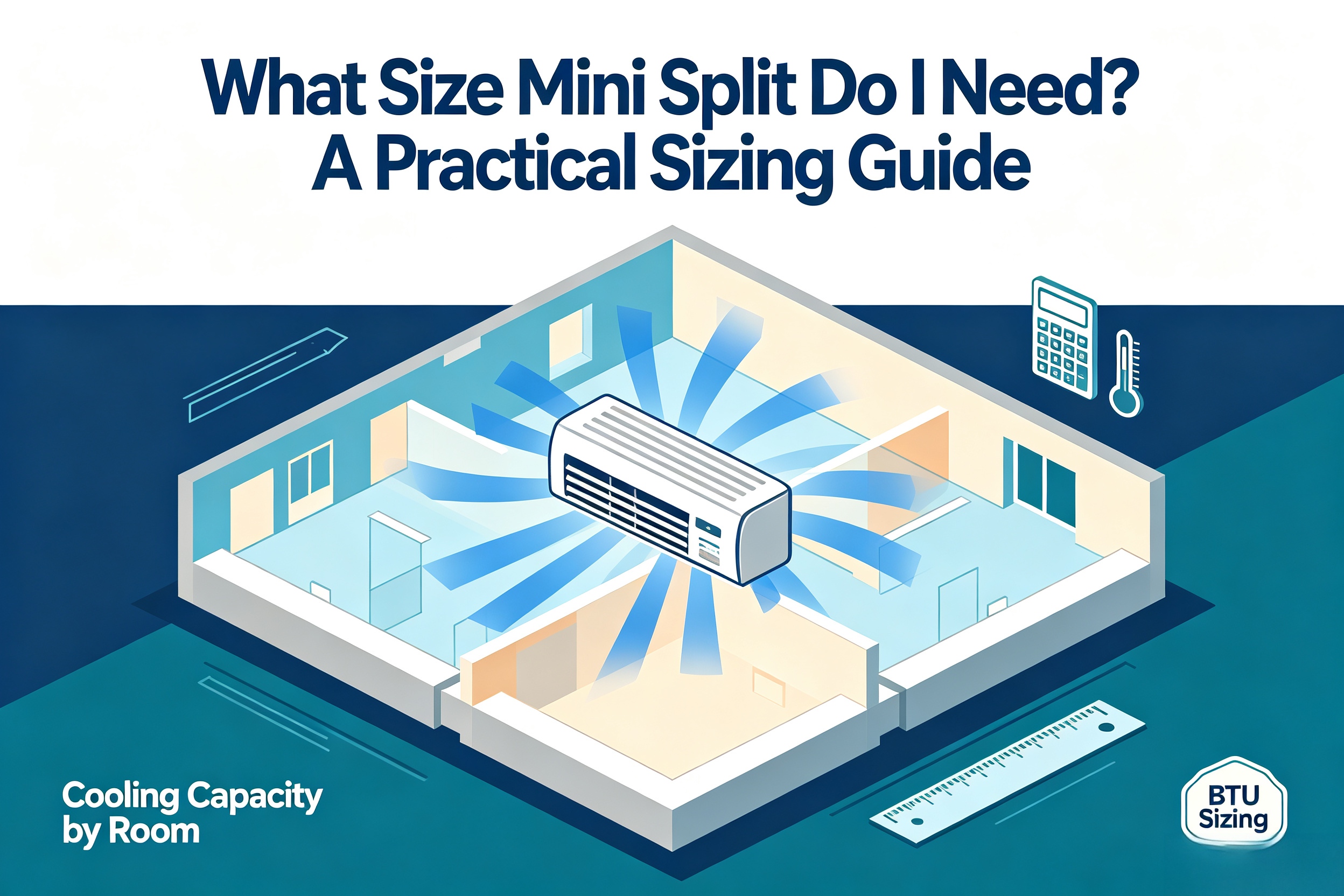
6. Packaged Terminal Air Conditioners (PTAC) and Ductless Mini-Splits
PTAC units are the boxy units often seen under windows in hotel rooms and small apartments. Ductless mini-splits are similar but mounted higher on walls or ceilings, with a slim outdoor unit connected by small refrigerant lines. Both are excellent for individual room control without needing ductwork.
Pros: Easy installation, individual room control, no ductwork needed, lower upfront cost for small spaces. Cons: Visible indoor units, limited coverage per unit, may not suit large open areas.
How to Choose the Right Commercial HVAC System
Choosing the right system is a big decision. Here are the key factors our Refria engineers consider when recommending a solution:
Why Businesses Trust Refria for Commercial HVAC Systems
Refria is not just an equipment supplier. We are a full-service partner for commercial hvac systems — from the first site survey to installation, commissioning, and ongoing preventive maintenance. Our team has hands-on experience with every system type covered in this guide, and we stay updated on the latest energy codes and refrigerant regulations.
When you work with Refria, you get clear communication, honest pricing, and a system that is sized correctly for your building. We do not oversell equipment you do not need. Our goal is to help your business run comfortably and efficiently for years to come.
Whether you need a simple split system for a new office, a VRF retrofit for a hotel, or a chiller replacement for a manufacturing plant, Refria has the expertise to get the job done right.
Heat Pump Cost: Installation & Replacement Pricing Guide
China's Air Conditioner Manufacturers: A Buyer's Guide to AC Manufacturing